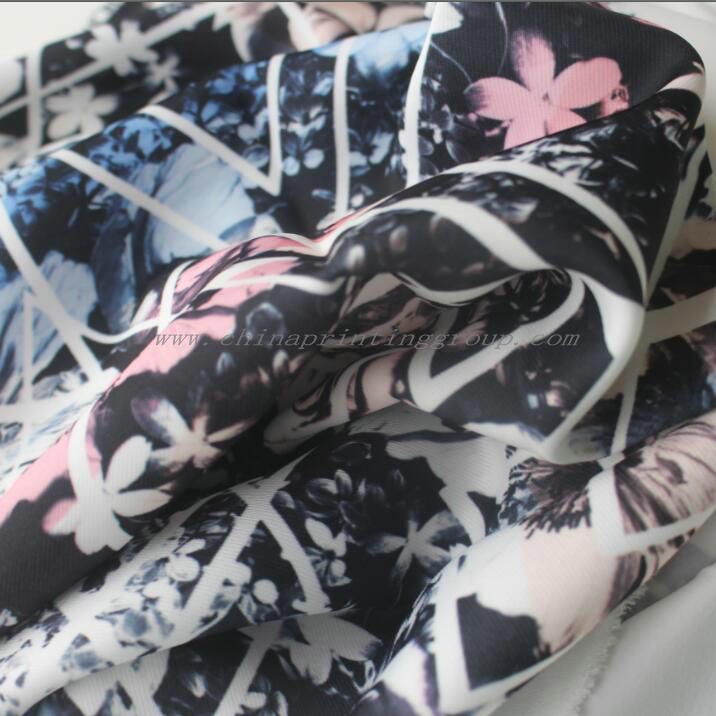
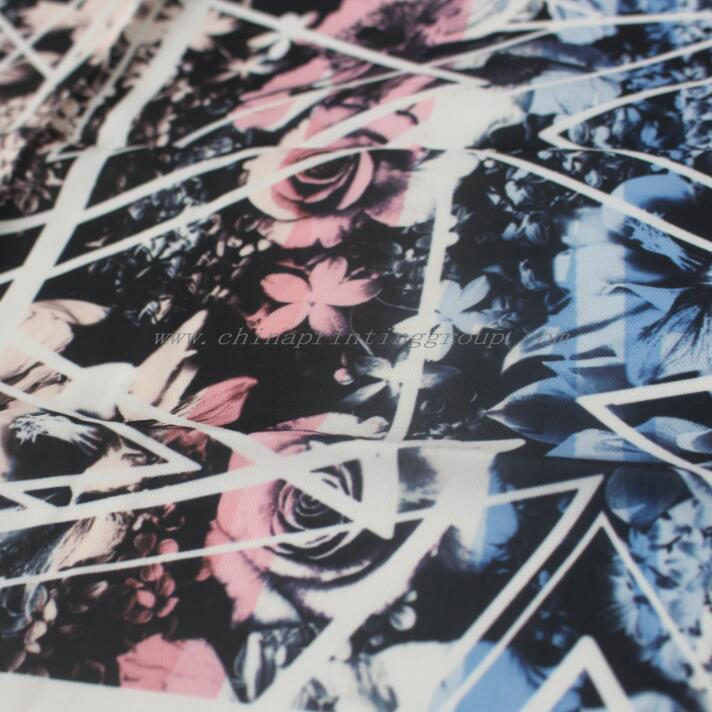
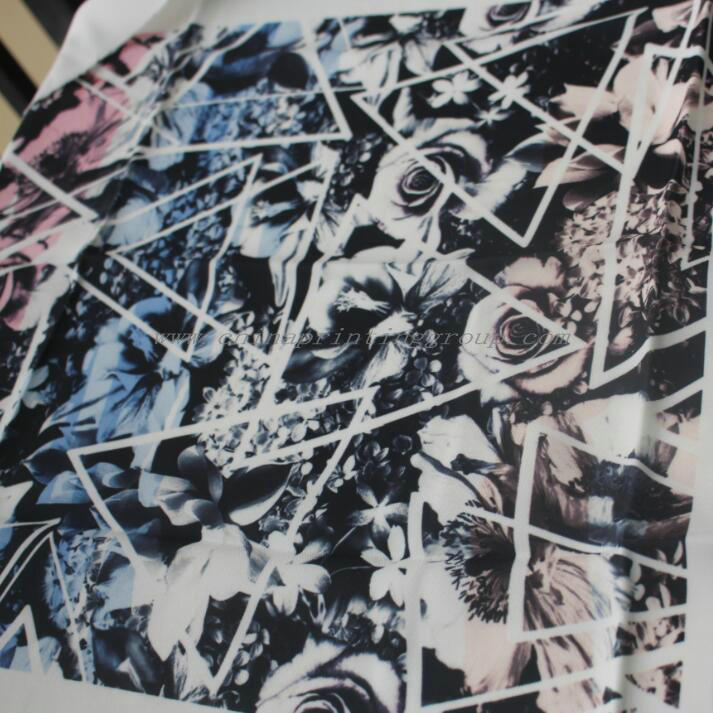
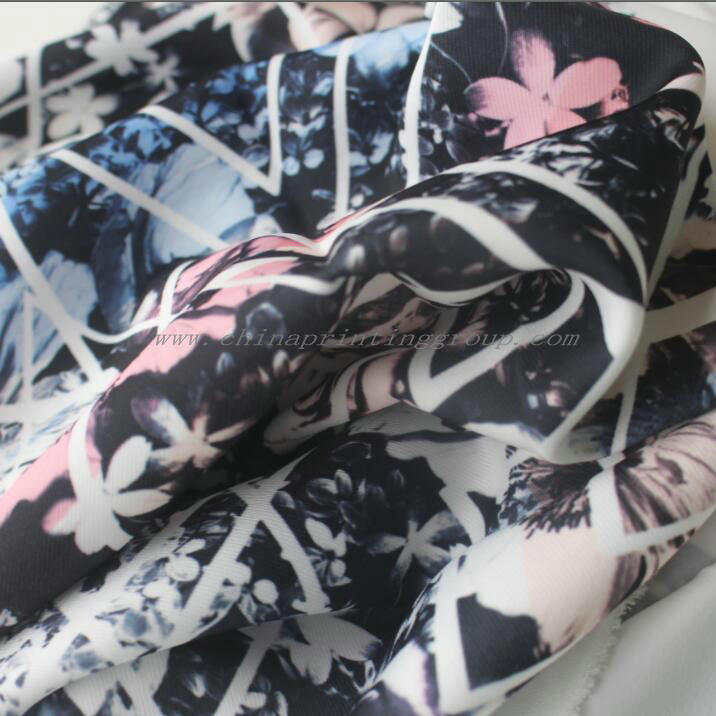
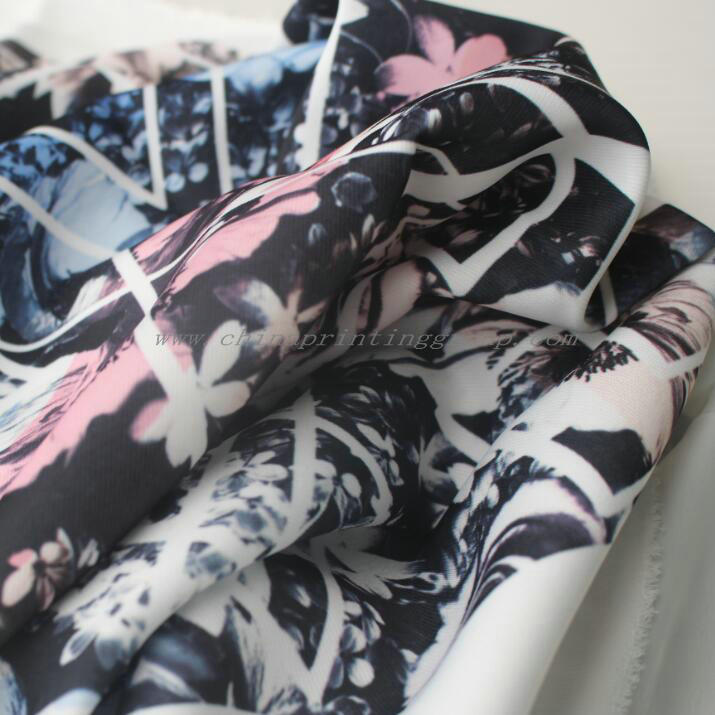
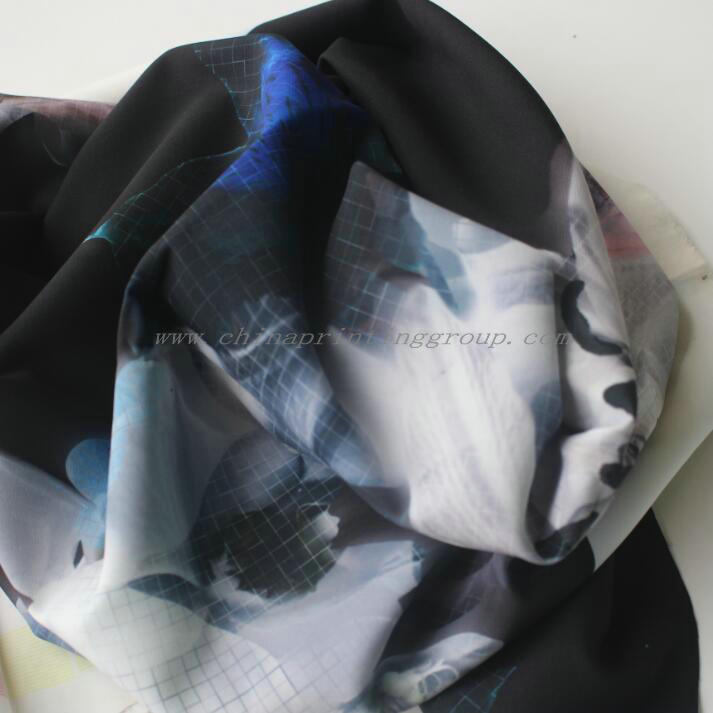
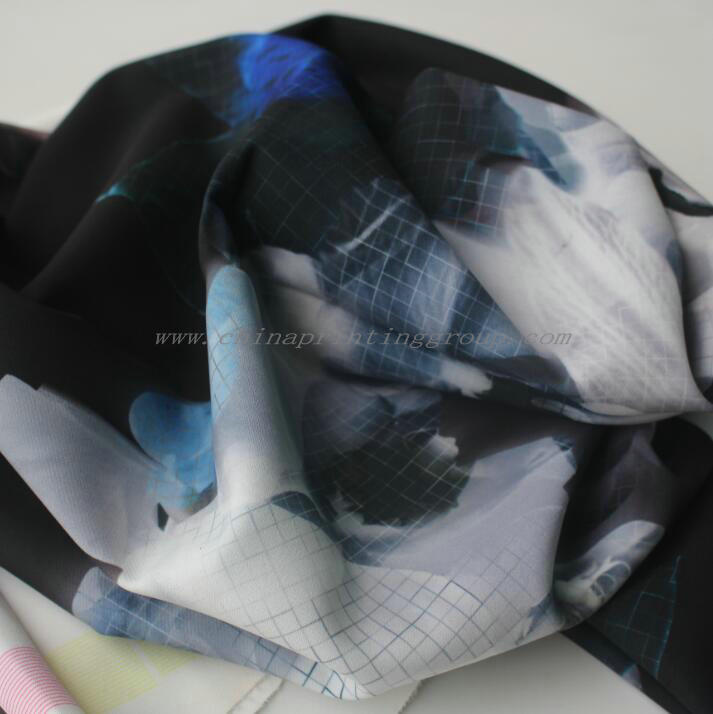
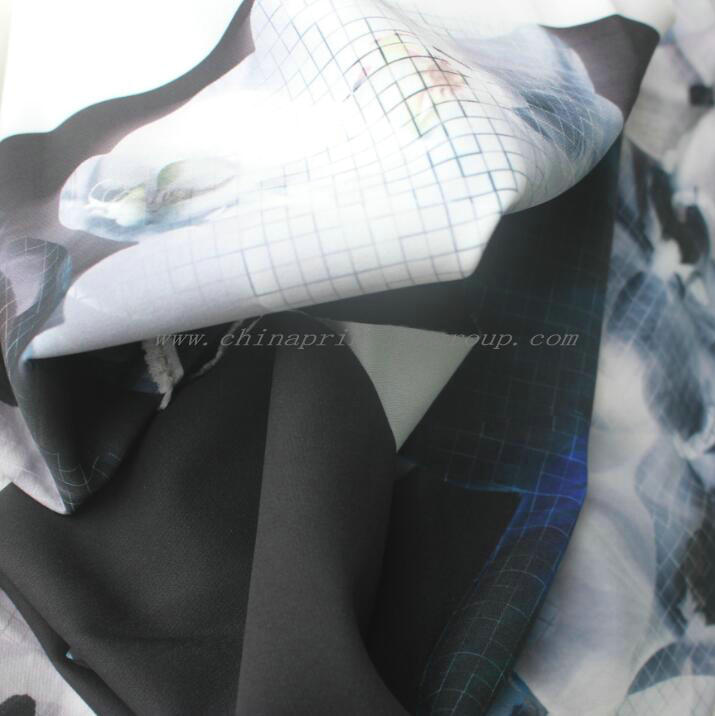
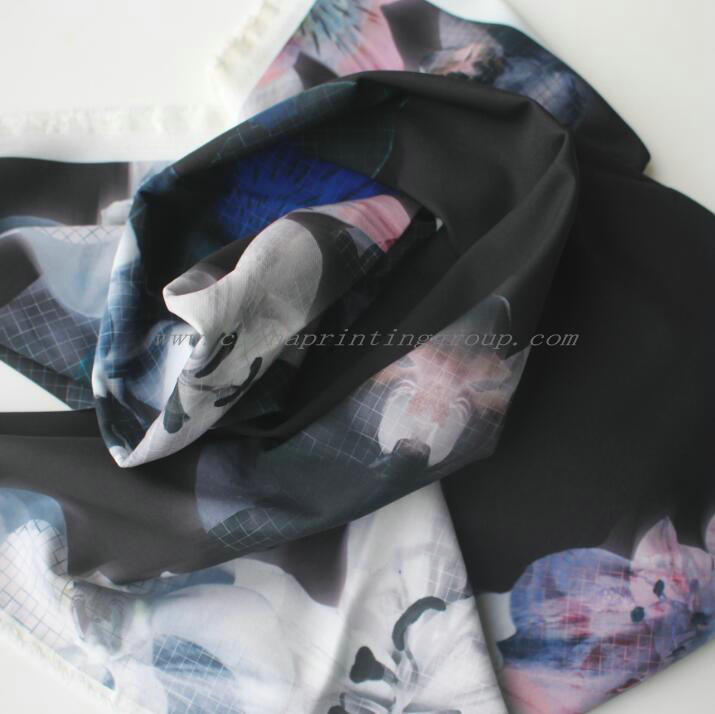
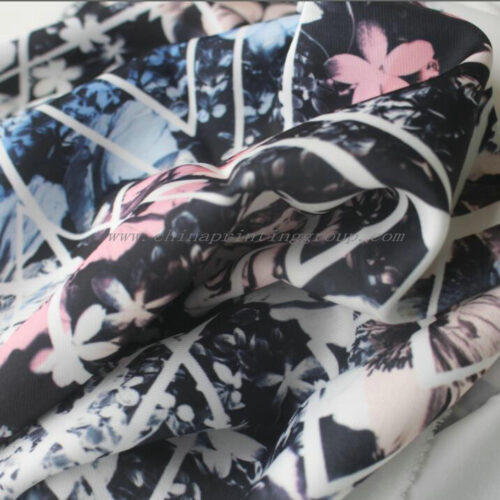
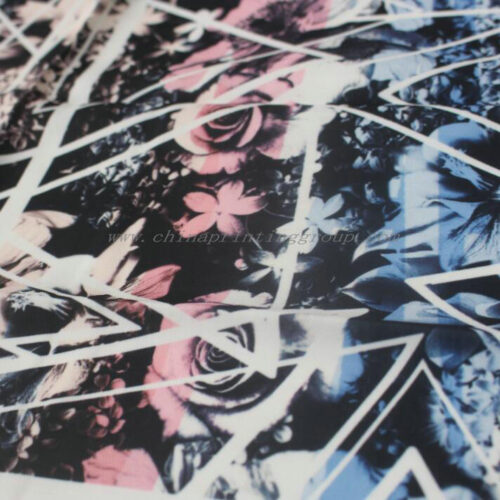
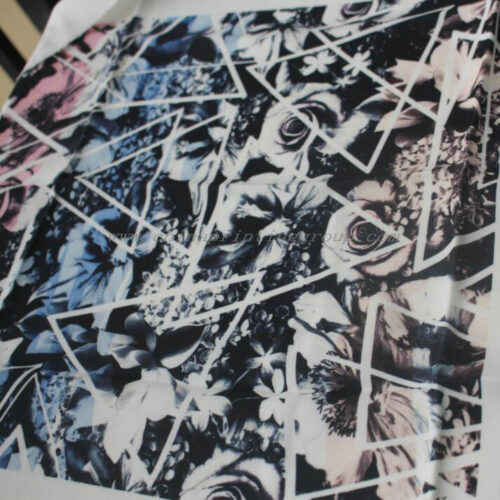
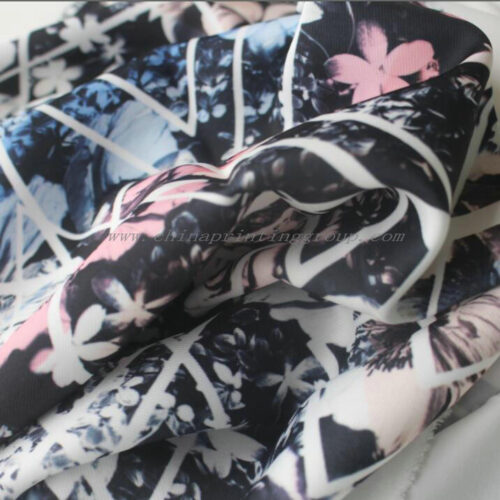
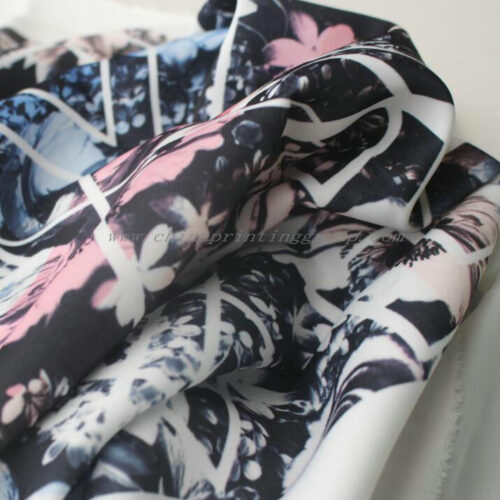
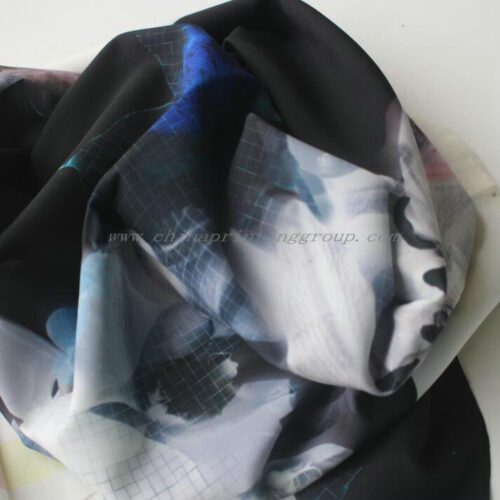
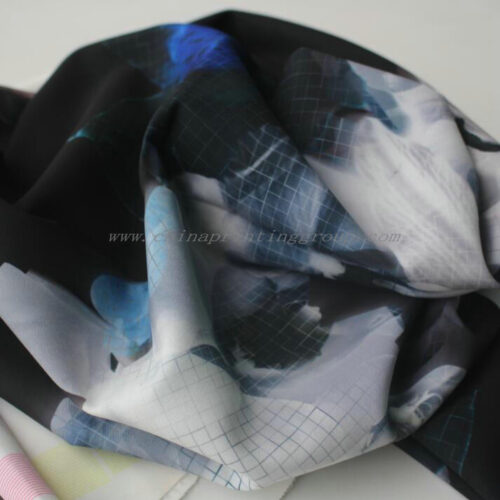
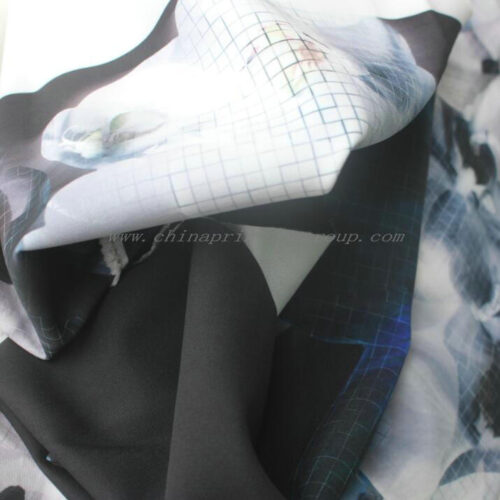
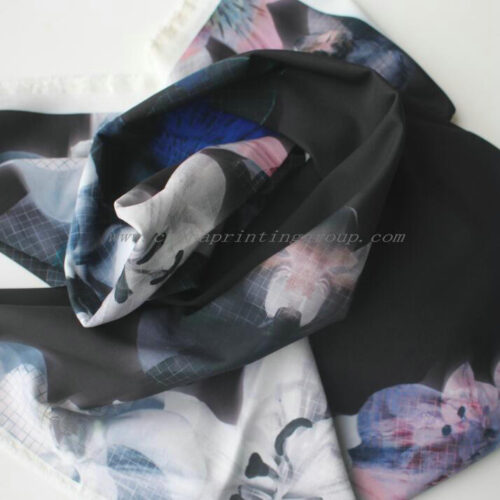
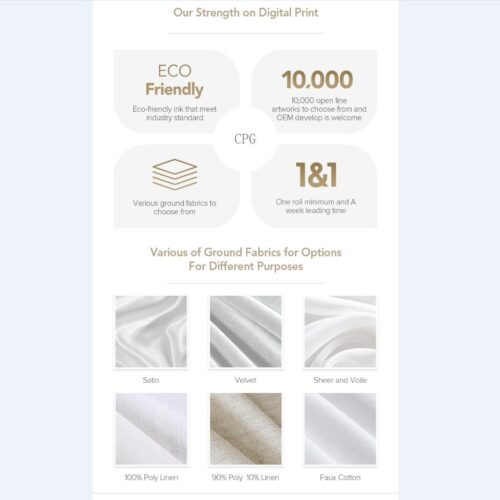
Digital Printed Fabric of Polyester or Silk Sublimation Printing
Send Inquiry
- Width:
-
50/52″
- Feature:
-
Memory, Waterproof, Flame Retardant, Anti-Static, Tear-Resistant, Heat-Insulation, Blackout, Shrink-Resistant
- Use:
-
Awning, Tent, Home Textile, Upholstery, Wedding
- Yarn Count:
-
100% polyester or silk
- Weight:
-
195 g or 200g…etc
Custom Digital Printed Fabric Polyester with Stretch And Silk Or Knitted Soft Satin Fabric Sublimation Printing
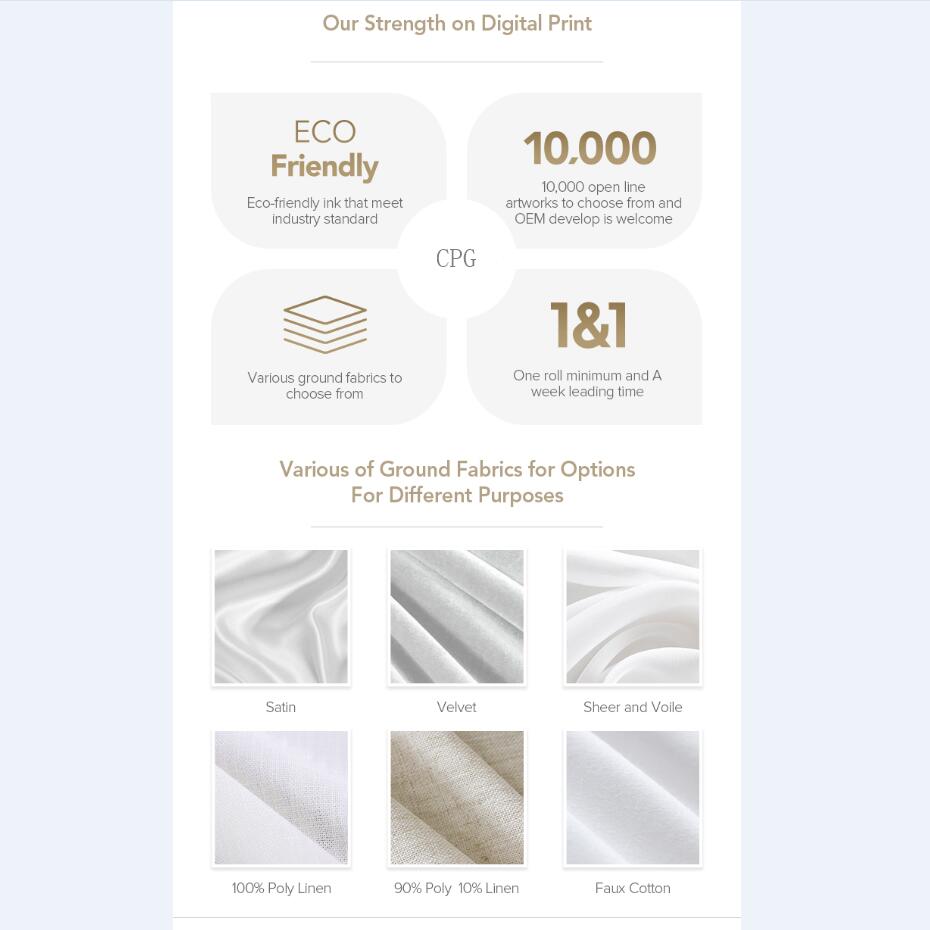
Digital printed fabric (fabric) is the process of inputting pattern patterns into a computer in digital form, editing and processing them through a computer printing color separation and tracing system (CAD), and then controlling a micro piezoelectric inkjet nozzle to directly spray specialized dye onto the fabric to form the desired pattern.
Digital printed fabrics (fabrics) will directly promote the development of “green textiles” and “green manufacturing”.
Due to the fact that digital printed fabrics (fabrics) are sprayed with dye solution directly into specialized boxes as needed on the fabric, without waste or wastewater pollution, the discharge of dye solution from the printing machine in the sizing room is eliminated, achieving pollution-free printing process. Film has also been omitted. Consumption of materials such as silk screens and silver cylinders. It not only reduces the burden on enterprises, but also meets the requirements of environmental protection.
Specifications of Custom Digital Printed Fabric:
|
Material |
100% polyester or 100% silk |
| Weight | 150g/m²,195 g/m²,200g/m²,…etc |
| Thickness | 250 µm |
| Stretch | < 1 % |
| Transmission factor | 38 % |
| Whitepoint | 94, 1, -6 L*a*b |
| APPLICATIONS | pop up display systems ,Inflatables,light boxes,table cloth,banners,tents / parasols,display frame systems |
| FEATURES | air tight,water tight,good flatness,ect |
| Sample | Free Sample Available |
| MOQ | Small order is available |
| Lead Time | 3~5 days |
| Packaging | Various different packing methods according to your request |
| Payment Term | T/T, L/C ,Western Union, Paypal etc. |
| OEM | Available |
🌿 Detailed Specifications of Digitally Printed Fabric
Below are the key aspects you should consider and specify clearly when sourcing or describing digitally printed textiles:
🎨 1. Fabric Base (Substrate)
-
Fiber Content:
-
Cotton, Polyester, Linen, Silk, Rayon, Nylon, Blends
-
-
Construction:
-
Woven (e.g., poplin, canvas, satin)
-
Knitted (e.g., jersey, interlock)
-
-
Weight (GSM):
-
Light (60–120 gsm)
-
Medium (120–250 gsm)
-
Heavy (250–400+ gsm)
-
-
Width:
-
Typically 140–160 cm (55–63 inches)
-
-
Finish/Pre-Treatment:
-
Pre-shrunk, pre-coated for digital printing
-
🖨️ 2. Printing Technology
-
Method:
-
Direct-to-Fabric Inkjet (most common)
-
Sublimation Transfer
-
Reactive, Pigment, Disperse, or Acid Inks depending on fabric type
-
-
Ink Type:
-
Reactive inks – cellulose fibers (cotton, linen)
-
Disperse inks – polyester
-
Acid inks – silk, nylon
-
Pigment inks – broad compatibility, eco-friendly
-
-
Print Resolution:
-
Commonly 360–1200 dpi
-
🌈 3. Color and Design
-
Color Gamut:
-
CMYK or CMYK+Spot Colors
-
High color vibrancy
-
-
Maximum Repeat Size:
-
Usually limited by printer width (e.g., up to 3.2 meters)
-
-
Color Fastness:
-
Lightfastness (ISO 105-B02): 4–6 (Good)
-
Wash Fastness (ISO 105-C06): 4–5
-
🧵 4. Performance and Handling
-
Shrinkage Rate:
-
Typically <3% after washing
-
-
Hand Feel:
-
Soft or crisp depending on finish
-
-
Stretch:
-
Non-stretch or stretch (especially with knits)
-
-
Durability:
-
Suitable for apparel, home textiles, signage
-
✅ 5. Certifications
-
Oeko-Tex® Standard 100 (no harmful substances)
-
GOTS (if organic)
-
REACH compliance
📦 6. Packaging & Delivery
-
Roll Diameter:
-
Typically 15–25 cm
-
-
Roll Length:
-
Custom lengths (commonly 50–100 meters)
-
-
Protection:
-
Poly wrapping, end caps, labeling with batch/lot number
-
🎨 Digital Printed Fabric – Applications and Advantages
🌟 Applications
Digitally printed fabric is widely used across diverse industries due to its high-resolution designs, low minimum order quantities, and fast turnaround. Here are common applications in detail:
| Application Area | Details |
|---|---|
| Fashion & Apparel | Custom dresses, shirts, scarves, leggings, sportswear, swimwear, kids’ clothing. |
| Home Textiles | Curtains, cushions, bed linens, tablecloths, upholstery fabrics. |
| Soft Signage & Display | Banners, exhibition backdrops, promotional table covers, flags. |
| Accessories & Gifts | Tote bags, cosmetic pouches, personalized items. |
| Interior Design | Wall panels, decorative textiles, bespoke coverings. |
| Craft & Quilting | Small-batch prints for artisan projects and patchwork. |
| Event Decoration | Themed fabrics for weddings, trade shows, seasonal events. |
✅ Why Choose ChinaPrintingGroup for Digital Printed Fabric?
ChinaPrintingGroup stands out for several reasons:
-
Extensive Experience
-
Over 15 years of textile printing expertise, including reactive, disperse, sublimation, and pigment digital printing.
-
Deep understanding of different fabric bases and ink technologies.
-
-
Vibrant, Precise Color
-
Advanced digital printers deliver high-definition resolution (up to 1200 dpi).
-
Superior color fastness to washing, rubbing, and light.
-
-
Flexible Order Quantities
-
Accepts small MOQs ideal for startups, designers, and pilot runs.
-
Also capable of large-volume production with consistent quality.
-
-
Wide Fabric Selection
-
Cotton, polyester, linen, silk, rayon, blends—all pre-treated and tested for excellent print results.
-
-
Fast Lead Time
-
Typical production: 5–7 days for sampling, 10–15 days for bulk orders.
-
Efficient logistics to ship worldwide.
-
-
Strict Quality Control
-
100% inspection before packing.
-
Each roll clearly labeled with lot numbers and care instructions.
-
-
One-Stop Solution
-
In-house design assistance, color matching, proofing, and packaging.
-
Optional custom labels and retail-ready packing.
-
-
Certifications
-
Oeko-Tex® Standard 100, REACH compliant inks, ensuring safe and eco-friendly textiles.
-
-
Competitive Pricing
-
Direct factory pricing without intermediaries.
-
Transparent quotations and no hidden costs.
-
-
Professional Support
-
Responsive English-speaking team experienced in export documentation, compliance, and shipping coordination.
-
✨ In Short
Choosing ChinaPrintingGroup means you get:
-
Beautiful, detailed prints
-
Reliable consistency across batches
-
Fast, flexible production
-
Proven experience in serving global brands and small designers alike
✨ Description of Digital Printed Fabric
Digital printed fabric is a modern textile solution that uses advanced inkjet printing technology to reproduce high-resolution designs directly onto fabric surfaces. Unlike traditional rotary or screen printing, digital printing allows for virtually unlimited colors, intricate patterns, and small batch production with quick turnaround times.
Here’s a detailed overview:
🎨 Key Features
-
High-Resolution Printing:
Digital technology enables precise image reproduction, often at 360–1200 dpi, delivering clear details, smooth gradients, and photographic quality. -
Rich Color Gamut:
CMYK and expanded color inks produce vibrant, saturated colors. -
Low Minimum Order Quantities:
Ideal for customized designs, prototypes, or limited-edition collections. -
Eco-Friendly Production:
Water-based inks and minimal waste make it an environmentally responsible choice. -
Versatile Fabric Compatibility:
Can be applied to cotton, polyester, linen, silk, and blends with proper pre-treatment.
🧵 Fabric Types
Common substrates include:
-
Cotton: Soft and breathable, perfect for apparel and home textiles.
-
Polyester: Excellent for banners, sportswear, and sublimation printing.
-
Linen and Rayon: Natural look for décor and fashion.
-
Silk: Luxurious drape and vivid color for scarves or high-end garments.
🖨️ Printing Technologies
Digital printed fabric production typically uses:
-
Reactive inks: Best for cotton and other natural fibers.
-
Disperse inks or sublimation: Perfect for polyester.
-
Pigment inks: Compatible with multiple fabric types.
-
Acid inks: Suitable for silk and nylon.
🌟 Advantages
-
Unlimited Design Possibilities:
From micro-scale patterns to full-panel artwork. -
No Screens or Plates Required:
Faster set-up and cost savings for small runs. -
Consistent Quality:
Each meter matches the approved sample. -
Quick Turnaround:
Sampling in 5–7 days, production in 10–15 days. -
Customization:
Easy to adapt colors, sizes, and placements.
🏷️ Common Applications
-
Fashion apparel (shirts, dresses, activewear)
-
Home textiles (curtains, bedding, cushions)
-
Promotional displays and flags
-
Quilting and crafts
-
Customized accessories (bags, scarves)
✅ Why It’s Popular
Digital printed fabric has become the preferred solution for brands, designers, and decorators who value:
-
Flexibility in design and order size
-
Fast time to market
-
Sustainability
-
Eye-catching visual impact
Digital Printed Fabric Applications
Digital printed fabric has become one of the most popular solutions in modern printing due to its premium appearance, flexibility, and eco-friendly advantages.It is widely used in advertising displays, fashion, interior decoration, and event branding.
Digital printed fabric is extremely versatile and used across multiple industries. Below is a detailed breakdown of its key applications:
1. Trade Shows and Exhibition Displays
Digital fabric is widely used for:
- Tension fabric backdrops
- SEG (Silicone Edge Graphics) frames
- Hanging banners
These displays create a seamless, wrinkle-free appearance that enhances booth professionalism. The lightweight nature of fabric makes transportation and setup quick and efficient.
2. Retail and Visual Merchandising
Retail stores use digital printed fabric for:
- Window displays
- In-store promotional backdrops
- Hanging signage
Fabric creates a soft, premium look that enhances brand perception. It is especially popular in fashion and luxury retail environments.
3. Corporate Events and Branding
Fabric backdrops are commonly used in:
- Conferences
- Product launches
- Press events
They provide a clean, non-reflective background for presentations and photography, ensuring brand logos appear clearly in photos and videos.
4. Interior Decoration and Soft Signage
Digital printed fabric is increasingly used in interior design:
- Wall coverings
- Decorative panels
- Curtains and room dividers
It allows designers to create custom environments with unique textures and visuals.
5. Photography and Studio Backdrops
Fabric is ideal for:
- Portrait photography
- Video production
- Green screen setups
Its non-reflective surface ensures even lighting and professional results.
6. Event Decoration (Weddings, Parties, Celebrations)
Fabric backdrops are popular for:
- Wedding stages
- Photo booths
- Event decoration
They add elegance and can be customized with names, themes, or patterns.
7. Flags and Outdoor Displays
Digital printed fabric is used for:
- Feather flags
- Teardrop flags
- Promotional flags
These are lightweight and designed to move with the wind, attracting attention.
8. Fashion and Textile Industry
Designers use digital printing for:
- Custom apparel
- Pattern prototyping
- Limited edition fabrics
It allows fast production with unlimited design possibilities.
9. Lightbox and Backlit Displays
Special fabric materials can be used for:
- LED lightboxes
- Backlit signage
They provide even light diffusion and vibrant color effects.
10. Museums, Exhibitions, and Public Spaces
Fabric graphics are used for:
- Informational displays
- Decorative installations
- Temporary exhibitions
They are easy to install and remove without damaging walls.
Digital printed fabric combines visual quality, flexibility, and sustainability, making it a preferred solution for modern display and branding needs. Its ability to deliver vibrant colors, soft texture, and easy handling makes it superior for indoor applications and premium presentations.
Whether used in exhibitions, retail, events, or interior design, digital printed fabric continues to redefine how brands communicate visually in a more elegant and environmentally friendly way.
Digital printed fabric is widely used in banners, backdrops, soft signage, and textiles because it combines premium appearance + flexible usage + competitive pricing.
1. Digital Printed Fabric – Price Overview
Typical Price Range (Industry Reference)
- Small fabric banner (2×3 ft): $10 – $40
- Medium banner (4×8 ft): $40 – $120
- Large backdrop (8×10 ft): $80 – $300+
- SEG fabric / premium displays: $100 – $500+
👉 Example: Polyester fabric banners can range from about $44 to $248 depending on size and finishing
👉 Entry-level options can start as low as $20+ for basic sizes
Price Comparison vs Other Materials
| Material Type | Price Level | Typical Use |
|---|---|---|
| Fabric (Digital Printed) | Medium | Indoor displays, events |
| PVC Vinyl | Low | Outdoor banners |
| Canvas | High | Art & premium displays |
| LED / Lightbox | Very High | Retail & permanent signage |
👉 Fabric is more expensive than vinyl, but cheaper than rigid signage systems, making it a balanced choice.
Why Digital Printed Fabric Has Price Advantages?
Even though fabric looks premium, it offers several cost advantages:
(1) No Plate / Screen Cost
- Digital printing does not require setup plates
- Ideal for small orders and customization
👉 Saves $50–$200+ setup cost compared to traditional printing
(2) Low Minimum Order Quantity (MOQ)
- You can print 1 piece or bulk
- No need for large production runs
👉 Perfect for:
- Sample orders
- Events
- Custom branding
(3) Reusable & Washable
- Fabric banners are washable and reusable
- Long lifespan reduces replacement cost
👉 Lower long-term cost per use
(4) Lightweight = Lower Shipping Cost
- Fabric is lighter than vinyl or rigid boards
- Can be folded (not rolled)
👉 Saves 30–70% shipping cost
(5) Multi-purpose Usage
One fabric banner can be reused for:
- Events
- Exhibitions
- Store displays
👉 Better ROI compared to disposable signage
Detailed Specifications (Professional Level)
Below are the most important technical specifications buyers should know:
(1) Material Specifications
Common Fabric Types:
- Polyester (most common)
- Poly knit / poly satin / poly canvas
Typical Weight:
- 200–340 GSM (grams per square meter)
Key Features:
- Wrinkle-resistant
- Soft texture
- Lightweight
- Minimal light reflection
👉 Polyester is widely used due to high color vibrancy and durability
(2) Printing Technology
Main Methods:
- Dye-sublimation (most popular)
- Direct inkjet printing
Resolution:
- 720 DPI – 1440 DPI high resolution
Advantages:
- Deep color penetration
- Smooth gradients
- Photographic quality
(3) Size & Format
- Standard width: up to 3m (9.8 ft) seamless
- Length: unlimited (can be stitched)
- Large backdrops: welded or stitched panels
👉 Seamless large displays available for exhibitions
(4) Finishing Options
- Hemming (stitched edges)
- Pole pockets
- Silicone edge (SEG)
- Velcro
- Grommets
👉 Finishing improves durability and installation
(5) Performance Features
Visual Quality:
- Non-reflective surface
- Soft matte finish
- High-end appearance
Durability:
- Fade-resistant
- Washable
- Tear-resistant
Lifespan:
- Indoor: 3–5+ years
- Outdoor: short-term use recommended
(6) Environmental Advantages
- Less chemical waste vs traditional printing
- Reusable material
- Lower carbon footprint (lighter shipping)
👉 Fabric is a more eco-friendly alternative to PVC
Why Choose Digital Printed Fabric from Chinaprintinggroup?
✔ Premium and elegant appearance
✔ Lightweight and easy transport
✔ Wrinkle-free and reusable
✔ High-resolution printing quality
✔ Cost-effective for small & medium orders
✔ Eco-friendly option
When to Choose Fabric vs Other Materials
Choose Fabric if:
- Indoor use (trade shows, events)
- High-end branding needed
- Photography or video background
- Frequent reuse required
Choose Vinyl if:
- Long-term outdoor exposure
- Rain/wind resistance needed
- Lowest cost priority
Final Insight (Buyer Perspective)
Digital printed fabric is not the cheapest option—but it offers the best balance of price, quality, and flexibility.
👉 In real-world sourcing:
- Vinyl = cheapest
- Fabric = best value for branding
- LED / rigid = premium investment
FAQ:
1. What is digital printed fabric?
A: Digital printed fabric refers to textile materials (such as polyester, cotton, or blends) that are printed using advanced digital inkjet printing technology. Unlike traditional screen printing, digital printing allows for high-resolution, full-color designs to be printed directly onto fabric with exceptional detail and color accuracy.
2. What types of fabric are commonly used?
A: The most common materials include:
- Polyester (most popular for banners and displays)
- Cotton (used in fashion and eco-friendly products)
- Silk (high-end applications)
- Canvas and blended fabrics
Polyester is widely preferred for signage due to its durability, wrinkle resistance, and excellent print quality.
3. What printing methods are used for digital fabric printing?
A: There are mainly two types:
- Dye-sublimation printing (for polyester fabrics)
- Direct-to-fabric printing (for natural fibers like cotton)
Dye-sublimation is the most commonly used method for banners and backdrops because it produces vibrant, long-lasting colors.
4. Is digital printed fabric suitable for outdoor use?
A: Yes, but it depends on the material and ink used. Polyester fabric printed with UV-resistant or dye-sublimation inks can be used outdoors for short to medium-term applications. However, compared to PVC vinyl, fabric is generally better suited for indoor or semi-outdoor use.
5. How durable is digital printed fabric?
A: Digital printed fabric is highly durable:
- Fade-resistant under normal indoor conditions
- Washable (depending on fabric type)
- Tear-resistant and reusable
For long-term use, proper storage and handling are recommended.
6. Can the fabric be folded or transported easily?
A: Yes. One of the biggest advantages of fabric is its portability:
- Lightweight
- Foldable without damage
- Wrinkle-resistant (especially tension fabric)
This makes it ideal for exhibitions, trade shows, and traveling displays.
7. What finishing options are available?
A: Common finishing options include:
- Sewing edges (hemming)
- Silicone edge (SEG) for frames
- Pole pockets
- Velcro stitching
- Grommets (less common than vinyl)
These options allow easy installation in various display systems.
8. What are the artwork requirements for digital fabric printing?
A: To ensure best results:
- File format: PDF, AI, PSD, EPS
- Color mode: CMYK
- Resolution: 150–300 DPI
- Include bleed (3–5 mm)
- Convert fonts to outlines
High-resolution images are especially important because fabric printing highlights fine details.
9. Is digital printed fabric eco-friendly?
A: Yes, compared to traditional printing methods:
- Uses less ink and produces less waste
- Water-based inks are often used
- Fabric materials can be reusable or recyclable
This makes it a preferred option for environmentally conscious brands.
10. How does digital printed fabric compare to vinyl banners?
A: Fabric advantages:
- Softer, more premium appearance
- No glare (better for photography)
- Lightweight and foldable
Vinyl advantages:
- More durable outdoors
- Waterproof
- Lower cost
👉 Fabric is ideal for indoor branding and high-end displays, while vinyl is better for outdoor durability.
11. If I send you a print can you tell me what is the min to print on fabric and also price for digital printed fabric?
A: The MOQ for fabric printing is about 250m,price is depending on the colors, usually USD$2.6/m for printing cost.
12.Can we see a sample of the digital printed fabric which can be digital printing with my design? I need satin fabric with soft touch for dress making.
A: Yes,we can send you swatches of our fabric,but the shipping cost need to be paid by you,is this OK?
13. Do you provide the digital printed fabric samples for the t-shirts?
A: Yes,for T-shirts fabric,we usually choose pure cotton or polyester. Please let me know which one do you prefer.
Related products
Display Stands
Large Scale and Big Format Printing
Large Scale and Big Format Printing
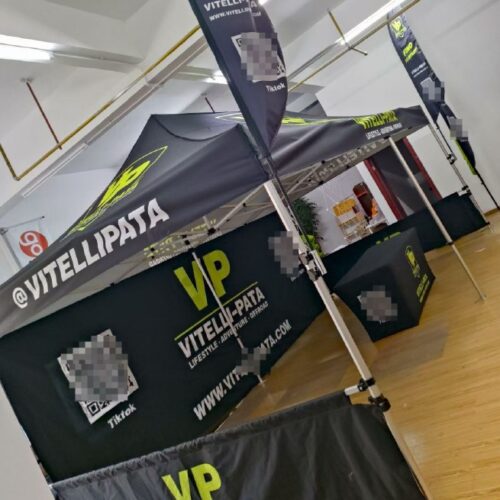
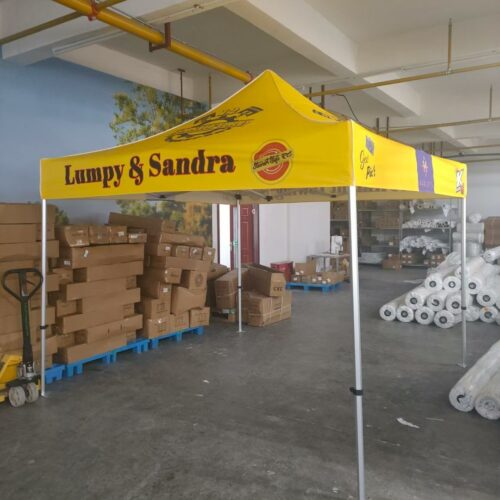
Custom Canopy Tent for Expo With Back Wall Dye-sublimation Printing